







Search Results for: Sweet Collection
The Origins, History, and Natural Processing of Brazilian Coffee: From Production Powerhouse to the Flavor Comeback of the Sweet Daterra Blend
Brazil is the world's largest coffee producer and exporter, accounting for more than 30% of the global coffee output value, yet for a long time its image has been mild, smooth, and lacking in character. Starting from the history and culture of Brazilian coffee, this article sorts out the evolution of its topography and climate, variety characteristics, and processing methods, focusing on how the quality revolution of the 1990s gave rise to the pulped natural method, and how Daterra Estate broke the stereotype of Brazilian coffee as mediocre through technology-driven management and its "Sweet Collection." The article also retains the "Front Street" brand recommendations and product information, making it suitable for coffee enthusiasts who want an in-depth understanding of the flavor code of Brazilian coffee. [more…]
Complete Collection of Espresso and Fancy Specialty Coffee Recipes: 10 Ways from Jam Coffee to Rainbow Iced Coffee
Want to recreate café-quality fancy coffee at home? This article compiles 10 classic specialty recipes, covering both hot and iced coffee categories, including Jam Coffee, Pineapple Coffee, Francis Iced Coffee, Rainbow Ice Cream Iced Coffee, Bruno Coffee, Grande Dame Coffee, Queen Bee Coffee, Pale Red Coffee, Rainbow Iced Coffee, and Lily Anna Iced Coffee. Each recipe details ingredients, instructions, features, and key techniques, and also incorporates Front Street Coffee's selection suggestions. Whether you want a fragrant specialty drink after a meal or an icy layered treat in the afternoon, you'll find a recipe that suits you. [more…]
Central American Specialty Coffee Spotlight: Panama Hacienda La Esmeralda Private Collection Geisha and Single-Origin Bean Recommendations
Hacienda La Esmeralda in Panama is a legend in the specialty coffee world, and its Geisha variety is famous for its floral aroma and juicy feel. This article will take you through the history of Hacienda La Esmeralda, from a beef cattle ranch to dairy farming, and then to its transformation into the coffee industry. At the same time, we especially recommend the Red Label Geisha brought to you by Front Street Coffee, produced in the high-altitude region of Boquete, washed processed, with rich layers of flavor. Through this article, you will gain an in-depth understanding of the charm of this unique coffee and obtain professional advice on purchasing single-origin beans. [more…]
A Coffee Connoisseur's Private Collection: A Guide to Selecting Specialty Pour-Over Coffee Beans by Origin and Brand
For coffee enthusiasts who are truly passionate about pour-over, the choice of beans has always been the key to determining the success of a cup of coffee. Whether you have been exploring the world of specialty coffee for many years or are advancing toward higher-level flavor exploration, finding good beans that suit your taste is always a required course. This article, organized along the three main lines of light roast, medium roast, and dark roast, compiles multiple Front Street Coffee beans from classic producing regions such as Rwanda, Ethiopia, Panama, Kenya, Costa Rica, Colombia, Brazil, and Indonesia, covering rich flavor types including berries, florals, citrus, tropical fruits, chocolate, and nuts, and includes the origin background and brewing performance of each bean for experienced brewers to choose according to their needs. [more…]
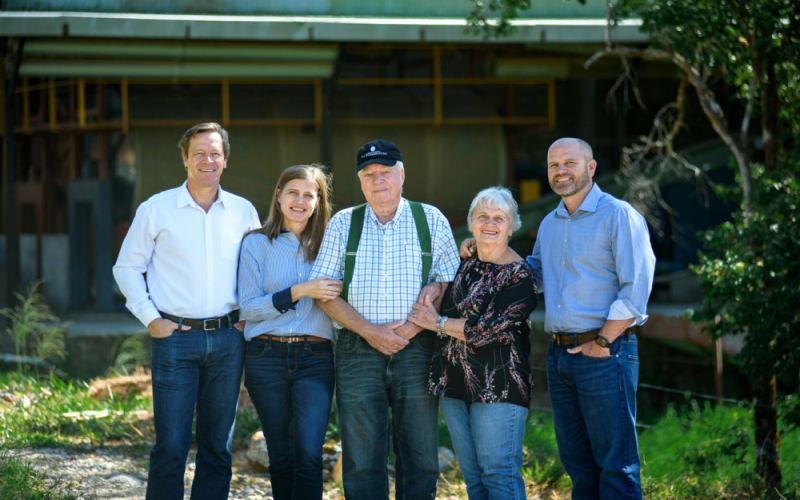
A Complete Guide to Panama Hacienda La Esmeralda Geisha Coffee: Flavor Profiles and Origins of the Three Brands—Red Label, Green Label, and Diamond Mountain
Hacienda La Esmeralda in Panama is the benchmark origin for Geisha coffee worldwide, and its three main brands currently on sale each have distinct characteristics: Esmeralda Special (Red Label Geisha) is a competition-auction grade, grown at 1,600–1,800 meters above sea level, scoring above 91 points in cupping, and available only through global auctions; Private Collection (Green Label Geisha) consists of non-competition micro-lots blended beans of excellent quality, offering better value for money; Diamond Mountain is a star product that is not Geisha, composed of Caturra and Catuai, and produced from the two farms Jaramillo and Cañas Verdes. Front Street Coffee offers both washed and natural lots for all three brands, with flavors ranging from tropical fruit to citrus and honey, each with its own merits. This article will provide a detailed interpretation of each brand's origin information, grade classification, processing methods, and cupping performance, helping coffee enthusiasts gain a comprehensive understanding of Hacienda La Esmeralda's product system. [more…]
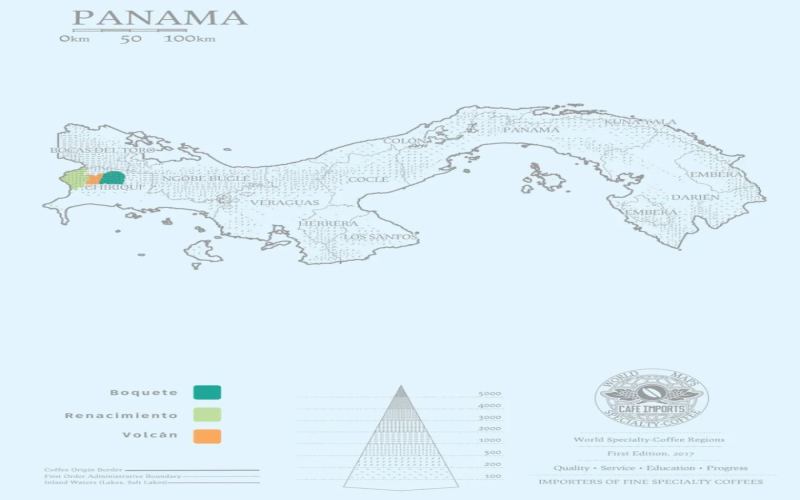
Exploring Panama's Boquete Region: A Comprehensive Analysis of Hacienda La Esmeralda's Green Label Washed Geisha
Since Geisha rose to fame in the Best of Panama competition in 2004, it has become a highly sought-after variety in the global coffee world, repeatedly setting price records at major auctions. Panama, as the core producing region of Geisha, has its Boquete area gathering numerous top estates, among which Hacienda La Esmeralda is undoubtedly the most representative name. This article will take you into a deeper understanding of Hacienda La Esmeralda's regional advantages, plot divisions, and Geisha brand system, with a focus on introducing the flavor performance of the Green Label Washed Geisha, while also sharing Front Street Coffee's brewing experience, providing coffee enthusiasts with a detailed reference guide. [more…]
A Detailed Explanation of the Grade Classifications of Panama Hacienda La Esmeralda Geisha Coffee: Differences Between Red, Green, and Blue Labels and Cupping Flavors
Hacienda La Esmeralda in Panama is the discoverer and promoter of the Geisha flavor, and its original grading system classifies Geisha coffee into different grades such as Red Label, Green Label, and Blue Label according to altitude and cupping performance. From the perspective of Front Street Coffee, this article systematically reviews the four major brand systems of Hacienda La Esmeralda, explains in detail the origin, altitude, processing method, and flavor differences of Red Label (Esmeralda Special), Green Label (Private Collection), and Blue Label (Geisha 1500), and also introduces the climatic advantages of Panamanian coffee, the characteristics of Janson Estate and Hartmann Estate, as well as Front Street's roasting approach, brewing parameters, and cupping performance for three Geisha coffees, providing coffee enthusiasts with a complete guide to Geisha grades. [more…]
Starbucks Autumn Blend Coffee Beans Flavor Analysis: Pour-Over Techniques and Processing Methods for a Latin American Blend
Starbucks Autumn Blend coffee beans, also known as Thanksgiving Blend coffee beans, is a seasonally available blended coffee. It is a proportional blend of two classic beans: Sumatra and Guatemala Antigua. This article will analyze the characteristics of coffee beans from the Asia/Pacific region and Latin America from two dimensions: regional flavor and processing method, and provide a detailed introduction to the differences between the washed process and the semi-washed process. At the same time, the article reviews the story of how this coffee bean came to be and pairing suggestions. For enthusiasts who want to gain a deeper understanding of blending logic or try pour-over brewing, there are practical suggestions from Front Street Coffee at the end of the article, which are worth reading. [more…]
Analysis of the Grading Standards and Flavor Comparison of Panama Hacienda La Esmeralda Geisha Red, Green, and Blue Labels
Panama's Hacienda La Esmeralda Geisha coffee has been highly sought after in the specialty coffee world in recent years, but many coffee enthusiasts are confused when faced with its three grades: Red Label, Green Label, and Blue Label. What exactly do these three labels represent? What are the differences among them in altitude, plot, processing method, and flavor? This article starts with the history of Hacienda La Esmeralda and provides a detailed breakdown of the grading standards for Red Label (Esmeralda Special), Green Label (Private Collection), and Blue Label (Geisha 1500), along with their corresponding production plots and cupping performance. Combined with Front Street Coffee's brewing recommendations and flavor descriptions, it helps readers make a suitable choice based on their own needs. [more…]
A Detailed Guide to Panama Hacienda La Esmeralda Geisha Grades: Flavor Differences and Brewing Guide for Red, Green, and Blue Labels
Geisha coffee beans got their name because their pronunciation is similar to the Japanese word for "geisha," but what truly made them famous is Hacienda La Esmeralda in Panama. From its breakout victory at the 2004 BOP competition to today's three major brand tiers—Red Label, Green Label, and Blue Label—Hacienda La Esmeralda has defined the flavor benchmark for top-tier Geisha through meticulous plot division and cupping standards. This article provides a complete overview of Geisha's varietal origins and spread, explains in detail the differences between Hacienda La Esmeralda's Red Label (auction lots), Green Label (reserve lots), and Blue Label (select lots) in terms of altitude, plot, processing method, and flavor, and includes Front Street Coffee's roasting curves and pour-over parameter recommendations for each Geisha tier, helping coffee enthusiasts build a clear framework for understanding Geisha. [more…]
Panama Red Label Geisha and Colombia Hacienda La Esperanza Geisha: A Comprehensive Analysis of Origin Estates, Grade Classification, and Pour-Over Brewing
Geisha coffee is widely recognized as the most exceptional coffee variety in terms of flavor today, but the quality of Geisha produced in different regions and on different estates varies significantly. This article will systematically trace the journey of Geisha from the forests of Ethiopia to the world, focusing on the grading system and flavor characteristics of Panama Hacienda La Esmeralda's Red Label, Green Label, and Blue Label, and extending to the Geisha performance of Colombia's Finca La Esperanza. At the same time, drawing on Front Street Coffee's practical brewing experience, it offers brewing parameters and technique suggestions for different Geishas, helping coffee enthusiasts gain a more comprehensive understanding of this variety's origin logic and key tasting points. [more…]
Tracing the Origins of the Geisha Coffee Variety: Flavor Differences and Genetic Lineage Between Ethiopian Native Gesha and Panamanian Geisha
Although Geisha coffee originated in Ethiopia, it rose to world fame in Panama. What many people do not know is that the Geisha grown in Central America today and the native Geisha of Ethiopia are actually two different varieties, a fact hinted at by the difference in spelling between Gesha and Geisha. Through comparison, Front Street Coffee found that Panamanian Geisha is known for its refined fruit acidity, floral aroma, and tea-like body, while native Ethiopian Gesha presents notes of citrus, almond, and tea, with slightly less complexity. This article traces Geisha's century-long journey from being collected in the Kaffa forest to achieving fame in Panama, sorts out the genetic relationship between T2722 and Gesha1931, and introduces the flavor characteristics of the Ethiopian Gesha Village and Panamanian Hacienda La Esmeralda series Geisha coffee beans currently sold by Front Street Coffee. [more…]

Front Street Coffee Complete Knowledge Collection: A Coffee Learning Guide and Practical Manual from Beginner to Advanced
The Front Street official account has insisted on daily updates for many years, accumulating a massive amount of educational content covering every area of coffee. From the origins of coffee beans to the birth of a finished cup of coffee, from basic terminology to advanced brewing techniques, the articles have touched on virtually every question a coffee lover might encounter. This article reorganizes that content along a learning path, dividing it into sections such as must-reads for beginners, tasting methods, brewing techniques, advanced improvement, and Front Street's random musings on industry topics, making it easy for readers to quickly locate the knowledge they need based on their own stage, and also convenient for systematically filling in gaps. Whether you are a novice just getting into coffee or an advanced player hoping to hone your skills, you can find corresponding content here. [more…]
A Complete Analysis of Geisha Coffee Bean Producing Regions: From Ethiopian Origins to the Flavor Differences of Panama Hacienda La Esmeralda's Red, Green, and Blue Label Grades
Geisha coffee journeyed from the primitive forests of Ethiopia to the world stage, and it was Panama's Hacienda La Esmeralda that made it famous overnight. Today, Ethiopia, Costa Rica, and Panama all cultivate Geisha, but their flavor expressions each have their own strengths. How exactly do Hacienda La Esmeralda's Red Label, Green Label, and Blue Label differ? This article will systematically organize the core knowledge of Geisha coffee, from origin distribution, variety genetics, and altitude grading to flavor characteristics, and include Front Street Coffee's brewing suggestions, taking you through a comprehensive understanding of this highly sought-after specialty coffee. [more…]
Costa Rica Mozart Coffee Bean Variety Analysis: Tarrazu Region Raisin Honey Processing Flavor and Brewing Guide
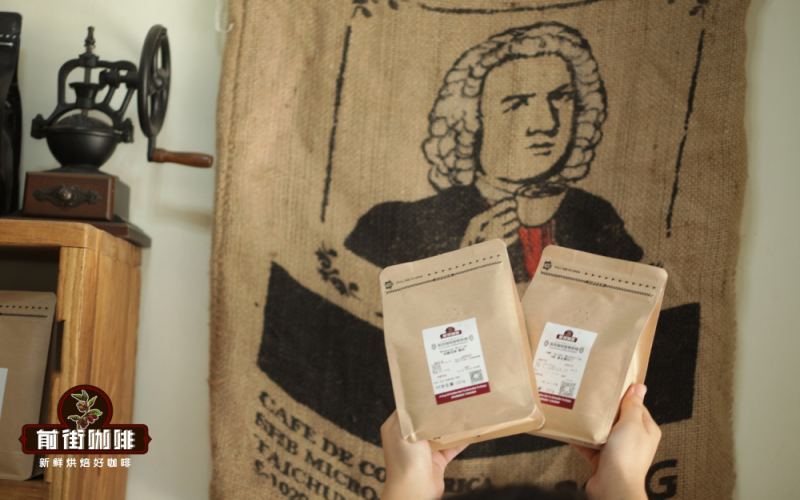
In the world of coffee, Costa Rica has earned the reputation of being "sweet as honey" thanks to its beans with outstanding sweetness and rich layers, and among the Musician series, the Mozart coffee bean is one of the most distinctive. It comes from the Canet Estate in the Tarrazu region and uses the raisin honey processing method, retaining all the pectin so that the green coffee beans absorb more sugar, ultimately presenting a white wine-like mouthfeel, intense fermented aroma, and floral-fruity sweetness. Front Street Coffee has included this bean in its lineup and uses a medium roast to highlight its complex floral, fruity, and jam-like aromas. This article will sort through Mozart's variety background, the story of its producing region, its processing method, and brewing suggestions, giving you a comprehensive understanding of this coffee named after a musician. [more…]
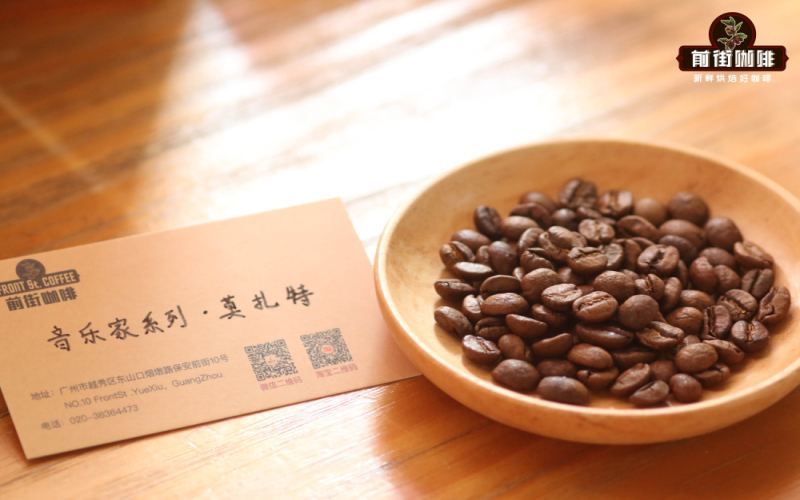
How to brew Costa Rican Mozart coffee? Front Street Coffee's raisin honey process flavor and extraction parameters explained
Costa Rican coffee has always been known for its balanced acidity and sweetness, with a pronounced sweet note, and Mozart from the Musician series is a favorite among many coffee enthusiasts. This bean, produced from the Canet estate in the Tarrazu region, undergoes a raisin honey process, retaining a large amount of pectin and sugar, which brings a fermentation feel reminiscent of white wine, rich floral and fruity aromas, and a sweet preserved fruit finish. Front Street Coffee will guide you through Mozart's regional background, processing methods, and roasting approach in this article, and share a practical pour-over plan, including specific parameters such as the Hario V60 dripper, 91°C water temperature, 15 grams of coffee, and a 1:15 coffee-to-water ratio. Whether you are just starting out or looking to refine your brewing, you will find reusable details and flavor references here. [more…]
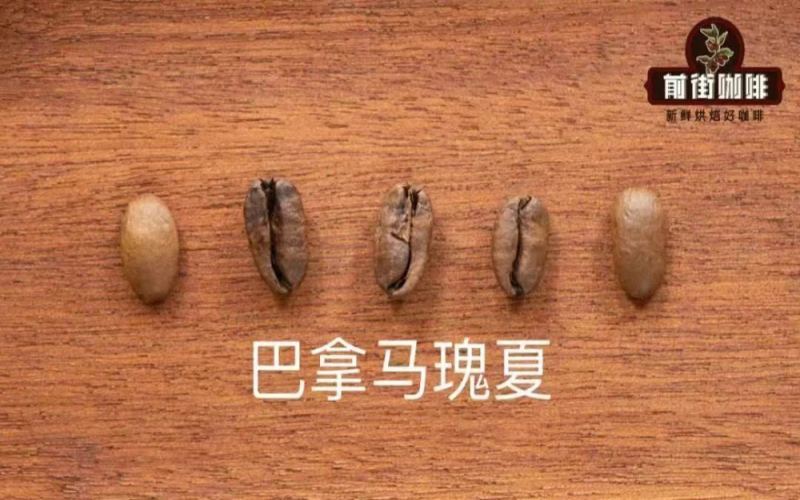
Tracing the Origin of Geisha Coffee Beans: Panama Emerald Estate Geisha Flavor and Interpretation of the Red, Green, and Blue Labels
Gesha coffee is hailed as the king of coffee, and the Geisha produced by Panama's Hacienda La Esmeralda is the benchmark among them. But do you know where the name Gesha comes from? And what are the differences between Red Label, Green Label, and Blue Label? From the perspective of Front Street Coffee, this article systematically sorts out the origin, growing conditions, and flavor performance of Panama Hacienda La Esmeralda Gesha, and analyzes one by one the characteristics and brewing suggestions of the Red Label auction lots, the Green Label private collection, and the original Blue Label lots. It will also briefly introduce the performance of Gesha from Colombia, Costa Rica, and other places, helping you understand this legendary coffee bean more comprehensively. [more…]

Costa Rica Yellow Honey Process Coffee Bean Flavor Analysis: Does the Honey Process Really Contain Honey?
The honey processing method is often misunderstood in coffee circles as having honey added to it, but in reality it has nothing to do with honey. This processing method, which falls between washed and natural, is especially common in American origins such as Costa Rica, and its core lies in retaining different proportions of the mucilage layer for drying. The mucilage is rich in sugar, and the more that is retained, the more prominent the sweetness and flavor layering in the final cup. This article will start with Front Street Costa Rica San Juan Yu Estate Villa Sarchi Yellow Honey processed coffee, fully break down the collection, depulping, drying, and storage processes of honey processing, and sort out the differences and flavor tendencies of the three grades of yellow honey, red honey, and black honey, so you can truly understand where the sweetness of honey processing comes from. [more…]
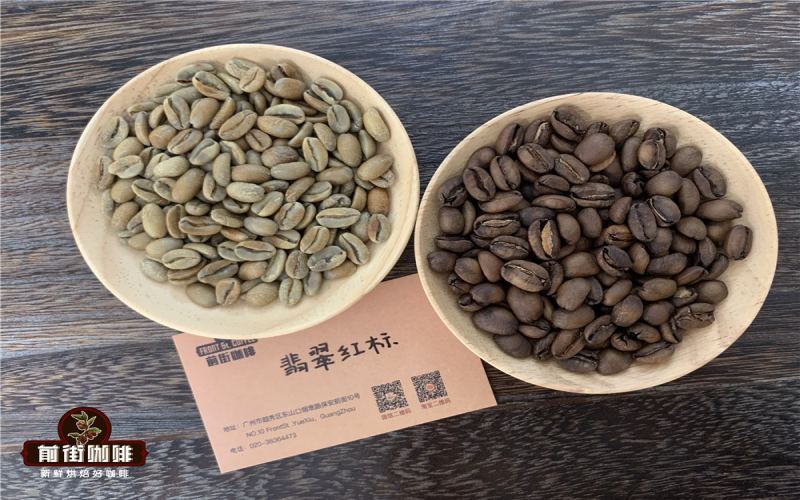
Geisha Coffee Tasting Guide: From Brewing Parameters to Flavor Differences Across Three Major Origins and Brand Recommendations
Geisha coffee is known for its delicate floral aroma and elegant fruit acidity, but Geisha from different origins varies noticeably in flavor, and the brewing method must also be adjusted according to the beans. This article begins with the origin of the Geisha variety and its rise to fame, sorts out the red, green, and blue label grading system of Panama's Hacienda La Esmeralda, and compares the cupping performance and pour-over recommendations of three Geishas from Costa Rica, Ethiopia, and Colombia. At the same time, Front Street Coffee will share water temperature, grind size, and staged extraction plans for light-roast Geisha, helping you understand more completely the flavor logic of this "luxury of the coffee world." [more…]
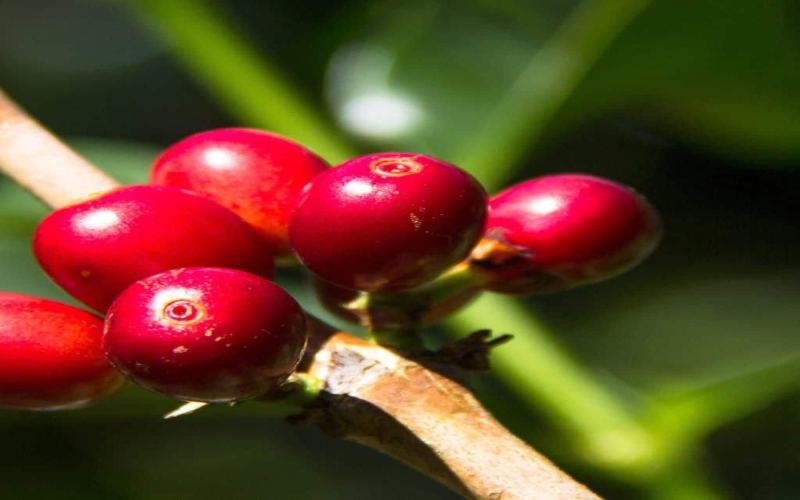
Complete Guide to Geisha Coffee Beans: From Origin and Spread to Taste Grades and Flavor Differences with Huakui
Geisha, hailed as the most legendary coffee variety of the 21st century, has become an undisputed star in the specialty coffee world thanks to its stunning cupping performance and ever-rising auction prices. But where exactly did Geisha come from? Is it the same bean as Huakui? How do you distinguish between the Red Label, Green Label, and Volcanic Rock lots from Panama's Hacienda La Esmeralda? How does the product line from Gesha Village in Ethiopia differ? This article, led by Front Street Coffee (FrontStreet Coffee), will systematically trace Geisha's rise to fame, its varietal characteristics, and its flavor expression across different producing regions, along with practical brewing suggestions to help coffee lovers gain a comprehensive understanding of this legendary variety. [more…]